
The Crucial Role of Early Childhood Education in Urban Communities
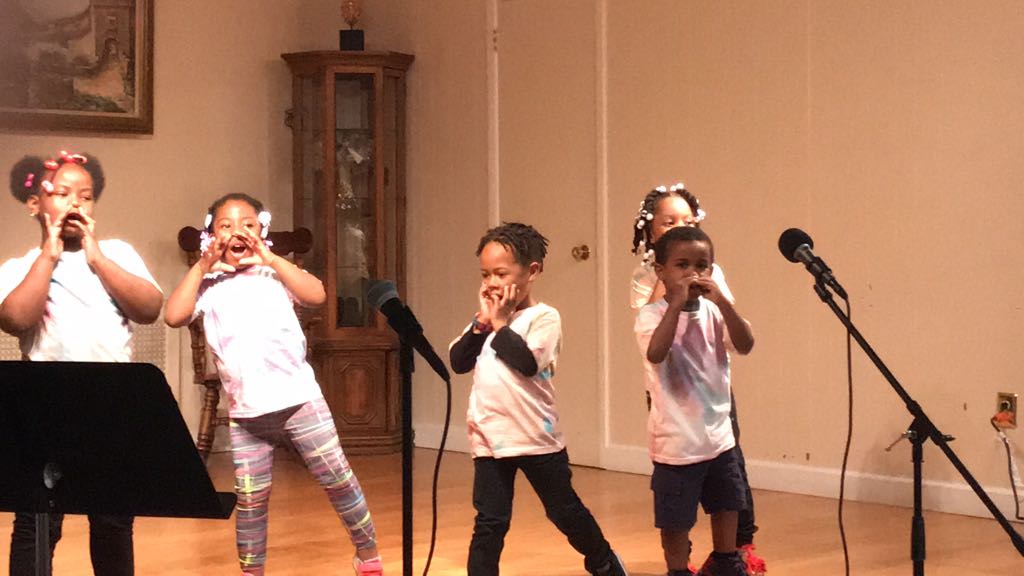
Early childhood education (ECE) shapes the foundation of a child’s future. In urban communities, where diversity, density, and economic challenges intersect, the importance of ECE becomes even more critical. Quality early learning programs can transform lives, support families, and strengthen neighborhoods. This post explores why early childhood education matters so much in urban settings and how it can create lasting benefits for children and their communities.

Why Early Childhood Education Matters in Cities
Urban areas often face unique challenges such as overcrowding, limited green spaces, and economic disparities. These factors can affect children’s development and access to quality education. Early childhood education offers a structured environment where young learners can develop essential skills before entering formal schooling.
Building Strong Foundations
The first five years of life are crucial for brain development. During this period, children develop language, social skills, and cognitive abilities that set the stage for lifelong learning. In urban communities, where children may face stressors like noise, pollution, or limited safe play areas, ECE programs provide a safe and nurturing space to grow.
Supporting Working Families
Many urban families juggle multiple jobs or long work hours. Early childhood education centers offer reliable childcare that supports parents’ employment while ensuring children receive quality care. This dual benefit strengthens family stability and economic security.
How ECE Addresses Urban Challenges
Promoting Equity and Inclusion
Urban communities are often culturally and linguistically diverse. Early childhood education programs that embrace this diversity help children from different backgrounds feel included and valued. Programs that offer bilingual education or culturally responsive teaching can improve outcomes for children who might otherwise fall behind.
Reducing Achievement Gaps
Children from low-income urban families frequently start school with fewer academic skills than their peers. Quality ECE can close this gap by providing early literacy, numeracy, and social-emotional learning. Studies show that children who attend preschool are more likely to graduate high school and attend college.
Encouraging Community Engagement
ECE centers often serve as hubs for community connection. They bring together families, educators, and local organizations to support children’s development. This network builds social capital and fosters a sense of belonging in neighborhoods that might otherwise feel fragmented.
Examples of Successful Urban ECE Programs
Head Start in New York City
The Head Start program in New York City serves thousands of children from low-income families. It offers comprehensive services including education, health screenings, and family support. Evaluations show that children enrolled in Head Start demonstrate improved language skills and social behavior compared to peers without access.
Chicago’s Early Learning Initiative
Chicago’s Early Learning Initiative partners with community organizations to expand access to quality preschool. It focuses on training teachers and improving curriculum to meet the needs of urban children. The program has helped increase kindergarten readiness rates across the city.
What Makes Quality ECE in Urban Areas
Qualified and Caring Educators
Teachers who understand the unique needs of urban children and families make a big difference. Professional development and ongoing training help educators create supportive, engaging classrooms.
Safe and Stimulating Environments
Urban ECE centers must provide safe spaces that encourage exploration and creativity. Access to outdoor play areas, age-appropriate materials, and quiet zones supports healthy development.
Family Involvement
Engaging parents and caregivers strengthens the impact of early education. Programs that offer workshops, home visits, and family events build trust and empower families to support their children’s learning.
Challenges to Expanding ECE in Urban Communities
Funding and Resources
Many urban ECE programs struggle with limited funding. This can affect teacher salaries, classroom materials, and facility maintenance. Sustainable investment is essential to maintain quality.
Accessibility and Capacity
High demand for early childhood education in cities often exceeds available spots. Long waiting lists and transportation barriers prevent some families from enrolling their children.
Policy and Coordination
Fragmented policies and lack of coordination among agencies can hinder program effectiveness. Streamlined efforts and clear standards help improve access and quality.
How Communities Can Support Early Childhood Education
Advocate for increased public funding dedicated to urban ECE programs.
Encourage partnerships between schools, nonprofits, and local governments.
Promote awareness about the benefits of early education among families.
Support training and retention of qualified early childhood educators.
Develop transportation solutions to improve access for families.


Comments