
Understanding Key Early Education Standards
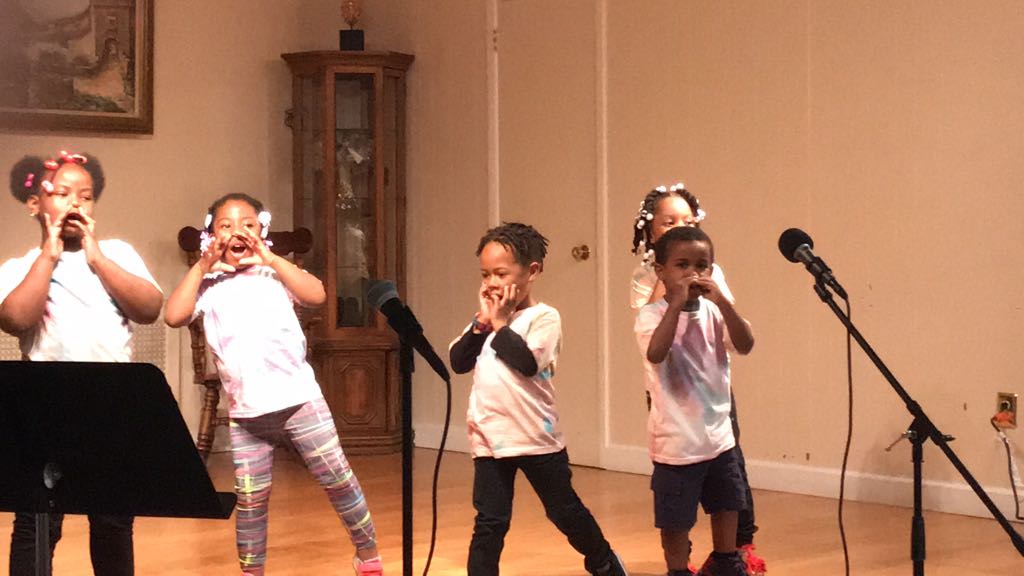
Early childhood education plays a crucial role in shaping the foundation of a child's learning and development. To ensure that young learners receive quality education, various standards have been established. These standards guide educators, caregivers, and institutions in creating effective learning environments that promote growth in all developmental domains. Understanding these key early education standards is essential for anyone involved in early childhood education.
The Importance of Key Early Education Standards
Key early education standards serve as a roadmap for delivering consistent, high-quality education to young children. They help define what children should know and be able to do at different stages of their early years. These standards ensure that educational programs are developmentally appropriate and culturally responsive.
By adhering to these standards, educators can:
Foster cognitive, social, emotional, and physical development.
Create inclusive learning environments that respect diversity.
Use assessment tools to monitor progress and tailor instruction.
Support families in understanding their child’s growth and learning needs.
For example, a preschool program following these standards might include activities that promote language development through storytelling, social skills through group play, and motor skills through hands-on art projects. This holistic approach ensures children are well-prepared for the transition to formal schooling.

Exploring Key Early Education Standards
Key early education standards typically cover several domains of development, including language and literacy, mathematics, science, social-emotional skills, and physical health. These standards are often organized by age groups or grade levels to provide clear expectations for educators.
Some common elements found in these standards include:
Language and Literacy: Encouraging vocabulary growth, listening skills, and early reading and writing abilities.
Mathematics: Introducing basic concepts such as counting, shapes, patterns, and measurement.
Science: Promoting curiosity about the natural world through observation and experimentation.
Social-Emotional Development: Teaching children to recognize emotions, develop empathy, and build positive relationships.
Physical Development: Supporting fine and gross motor skills through activities like drawing, cutting, running, and jumping.
These standards also emphasize the importance of play-based learning, recognizing that play is a natural way for children to explore and understand their environment.
What are ECE standards?
ECE standards, or Early Childhood Education standards, are formal guidelines that outline the knowledge, skills, and behaviors children should develop during their early years. These standards are designed to ensure that early childhood programs provide consistent and effective learning experiences.
ECE standards typically include:
Developmental Milestones: Benchmarks for physical, cognitive, and social-emotional growth.
Curriculum Frameworks: Suggested content and teaching strategies aligned with children’s developmental stages.
Assessment Criteria: Tools and methods for evaluating children’s progress and program effectiveness.
Professional Competencies: Expectations for educators’ qualifications, ongoing training, and ethical practices.
For instance, an ECE standard might specify that by age four, children should be able to recognize basic shapes and colors, follow simple instructions, and engage in cooperative play. These clear expectations help educators plan appropriate activities and interventions.

Implementing Early Education Standards in Practice
Implementing key early education standards requires thoughtful planning and collaboration among educators, families, and communities. Here are some practical steps to ensure effective implementation:
Professional Development: Provide ongoing training for educators to understand and apply the standards effectively.
Curriculum Design: Develop lesson plans and activities that align with the standards and cater to diverse learning styles.
Family Engagement: Involve families by sharing information about the standards and ways to support learning at home.
Assessment and Feedback: Use observation and assessment tools to monitor children’s progress and adjust teaching methods accordingly.
Resource Allocation: Ensure classrooms are equipped with age-appropriate materials and learning spaces that encourage exploration.
For example, a preschool might hold workshops for parents to explain the learning goals and suggest home activities that reinforce classroom learning. Educators might also use checklists aligned with the standards to track each child’s development and identify areas needing support.
The Future of Early Childhood Education Standards
As research in child development advances, early childhood education standards continue to evolve. Future trends may include:
Increased Focus on Equity: Ensuring all children, regardless of background, have access to high-quality education.
Integration of Technology: Using digital tools to enhance learning while maintaining developmentally appropriate practices.
Emphasis on Social-Emotional Learning: Recognizing the critical role of emotional intelligence in lifelong success.
Global Collaboration: Sharing best practices and standards across countries to improve early education worldwide.
Staying informed about these changes helps educators and policymakers adapt and improve early childhood programs. This ongoing commitment to quality ensures that every child has the opportunity to thrive.
Understanding and applying early childhood education standards is fundamental to creating enriching learning experiences that support young children’s growth and development. By embracing these standards, we lay the groundwork for a brighter future for all children.


Comments